

Slagelse Almennyttige Boligselskab Afdeling Schackenborgvænge e a. v. MV e a., Case C-417/23, CJUE (Grand Chamber), 18 december 2025
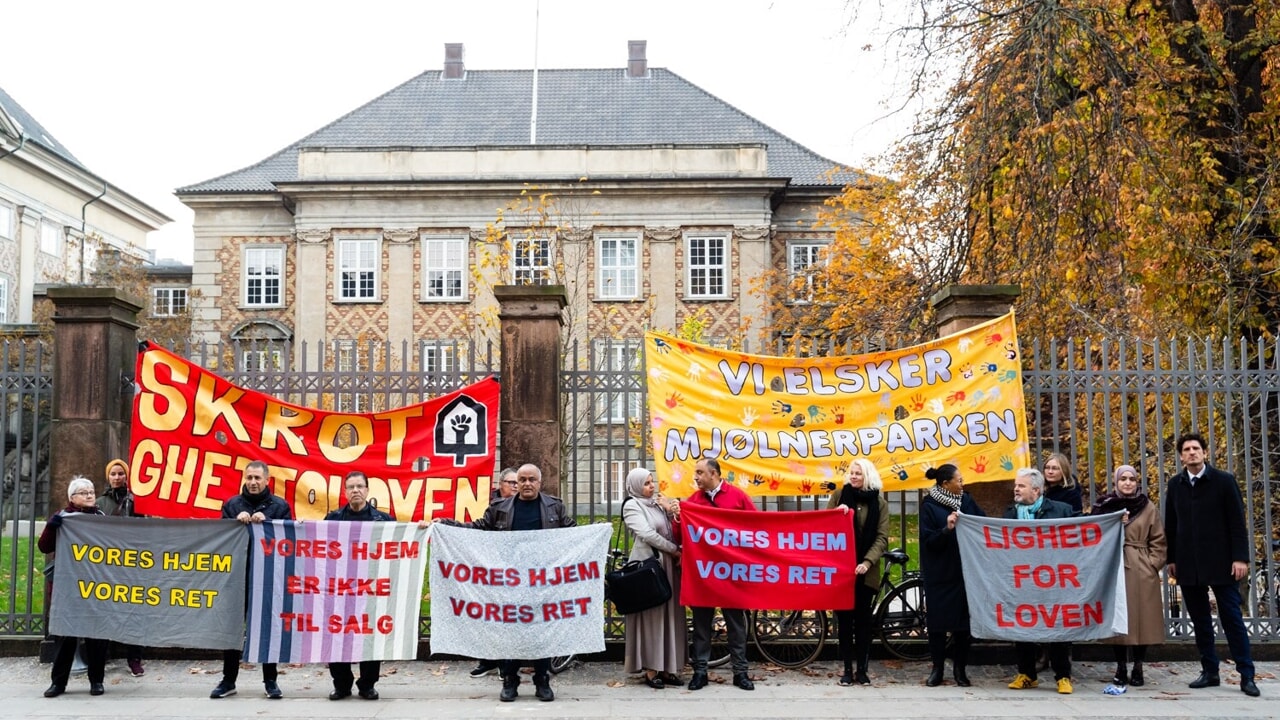
The judgment of the CJEU (Grand Chamber) of 18 December 2025 originates from actions brought by tenants of Danish public housing against urban transformation measures adopted pursuant to Article 61a of Codification Decree No 1877 of 27 September 2021 (almenboligloven). That provision allows the classification of neighbourhoods as «transformation areas» where, over the preceding five years, the percentage of immigrants from non-Western countries and their descendants has exceeded 50% and at least two further indicators of socioeconomic disadvantage are present, requiring local authorities to adopt development plans aimed at reducing the share of family public housing units to 40% by 2030, with consequent early termination of tenancy agreements. The applicants, despite being offered alternative accommodation, opposed eviction and challenged the compatibility of the legislation with the prohibition of discrimination on grounds of ethnic origin laid down in Directive 2000/43/EC.
The Court of Justice, while acknowledging that Member States enjoy a broad margin of discretion in matters of housing policy and social cohesion – and that urban planning requirements may in principle constitute overriding reasons in the public interest, as previously held in Woningstichting Sint Servatius (C-567/07) – ruled that such margin cannot under any circumstances justify departures from the absolute prohibition of discrimination on grounds of race or ethnic origin, enshrined in Article 21 of the Charter of Fundamental Rights of the European Union and given concrete expression by Directive 2000/43/EC. In this regard, the Court drew on its established case-law concerning the concept of ethnic origin, referring in particular to CHEZ Razpredelenie Bulgaria (C-83/14) and Jyske Finans (C-668/15), according to which the notion of «ethnic origin» within the meaning of the Directive encompasses social groups characterised by a commonality of nationality, language, culture, tradition and living environment, and that discrimination based on that ground constitutes a particularly odious form of unequal treatment requiring heightened vigilance on the part of public authorities. The national legislation at issue may constitute direct discrimination within the meaning of Article 2(2)(a), where it appears that its adoption was based on the ethnic origin of the majority of residents in the designated areas and results in less favourable treatment for all their inhabitants compared to those living in areas with comparable socioeconomic conditions; or indirect discrimination within the meaning of Article 2(2)(b), where the same legislation, despite being framed in apparently neutral terms, produces a particular disadvantage for persons belonging to certain ethnic groups without satisfying the principle of proportionality. The definitive characterisation of the situation is left to the referring national court, which must take into account, inter alia, the fact that some of the affected residents had been lawfully residing in their homes for many years prior to the early termination of their tenancy agreements.
(Comment by Bruno Pitingolo)